

One of the first questions we get in our inbox at DanangLocals.com is simply: "Is it safe?" We understand the anxiety. Traveling to a new country in Southeast Asia, with its unfamiliar language, chaotic traffic, and stories of scams on travel forums, can feel daunting. You want to relax on the beach, not constantly look over your shoulder clutching your bag.
The short answer to put your mind at ease is: Yes, Da Nang is incredibly safe. In fact, it is widely regarded by both expats and Vietnamese nationals as the safest, most livable city in Vietnam. Unlike the hustle of the bigger metropolises, Safety in Da Nang is defined by a community vibe where violent crime against tourists is virtually unheard of. However, "safe" does not mean "perfect," and 2026 brings its own set of modern challenges that you need to be aware of.
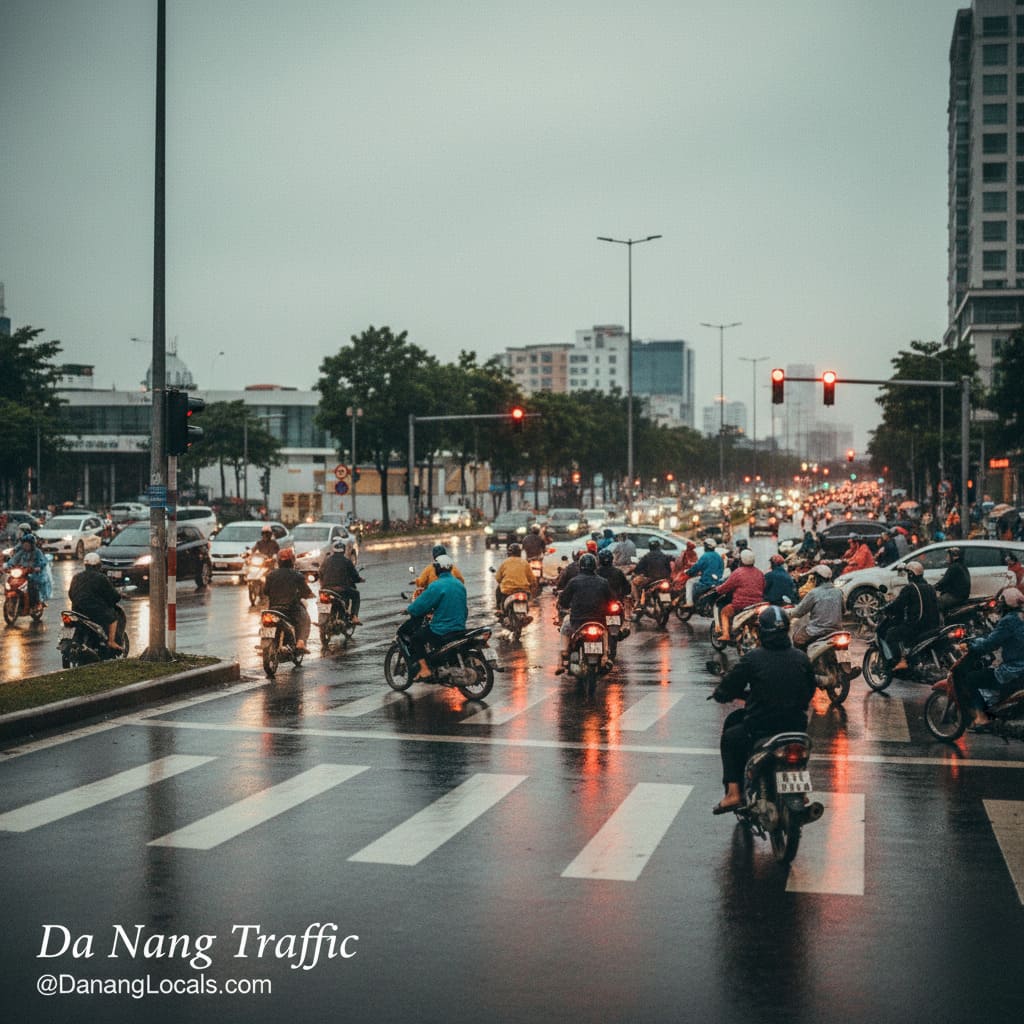
While you are unlikely to face danger, you might face annoyance if you don't know the local rules. The "dangers" here aren't muggers in dark alleys; they are more likely to be a confusing menu at a seafood restaurant, a misunderstanding of traffic flow at a roundabout, or the powerful undercurrents at our beautiful beaches. As locals, we believe that knowledge is the difference between a stressful trip and a flawless one.
In this guide, we are going to be brutally honest with you. We will strip away the tourism marketing and give you the real "Local Insight" on everything from avoiding seafood scams to crossing the street like a pro. Here is your comprehensive guide to Safety in Da Nang for 2026, written by the people who live here.
Is Da Nang Safe for Tourists in 2026?
Yes, Da Nang remains the gold standard for safety in Vietnam, often called the "City of 5 No's" by locals.
One of those "No's" historically stands for "No Thieves." While the city has grown and petty crime exists everywhere, Da Nang feels significantly safer than most Western cities. You will see locals sitting in coffee shops with their phones on the table and motorbikes parked on sidewalks. Violent crime targeting foreigners is extremely rare. The biggest "threat" regarding Safety in Da Nang you will likely encounter is the heat or a spicy chili in your Mi Quang.
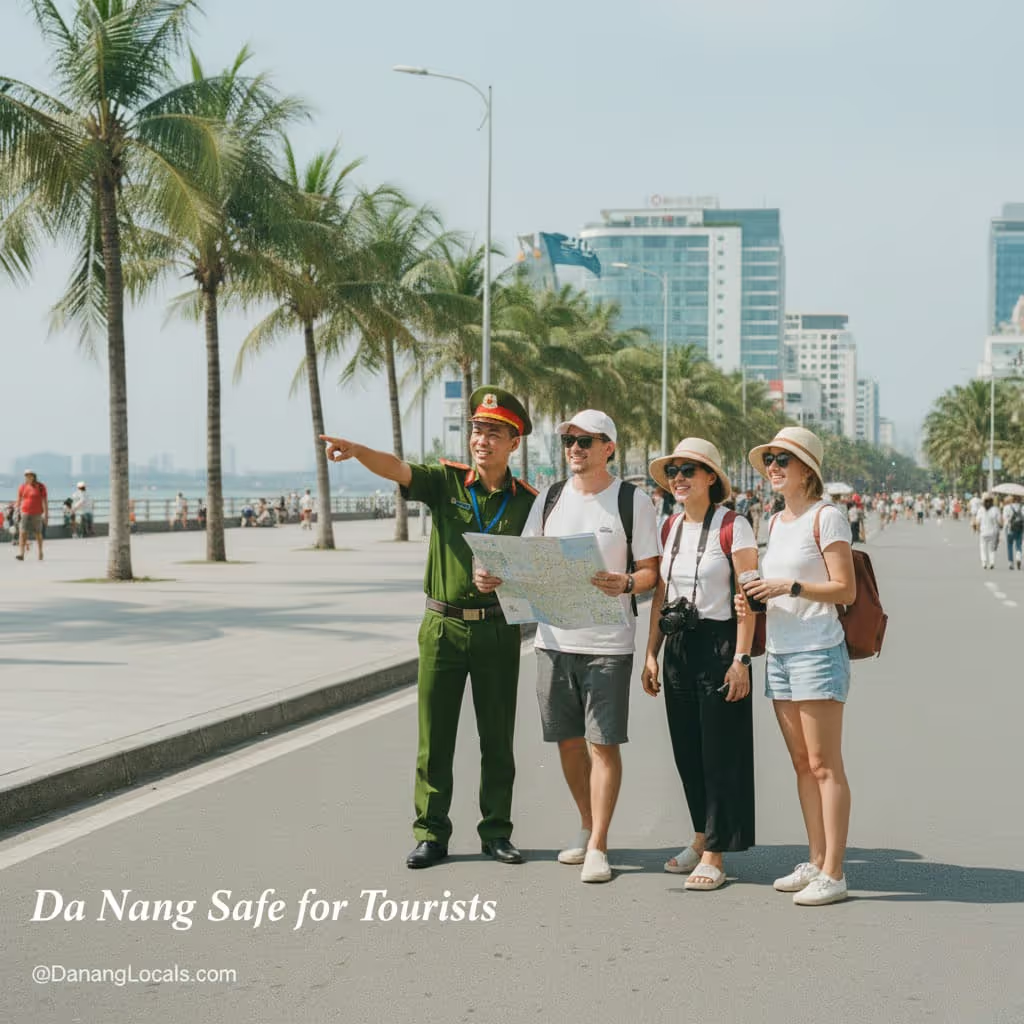
Local Insight (DanangLocals): The local government takes tourism security very seriously. If you have an issue, the "Da Nang Visitor Support Center" (usually located on Bach Dang Street) is responsive. We are proud of our reputation, and locals will often step in to help if they see a tourist being bothered.+1
What Are the Most Common Scams in Da Nang to Avoid?
While there are no elaborate kidnapping plots, there are "tourist traps" designed to separate you from your money.
In 2026, as tourism booms, some opportunists have become craftier. Awareness is your best defense to maintain your Safety in Da Nang.
Is the "Seafood Price Switch" Real?
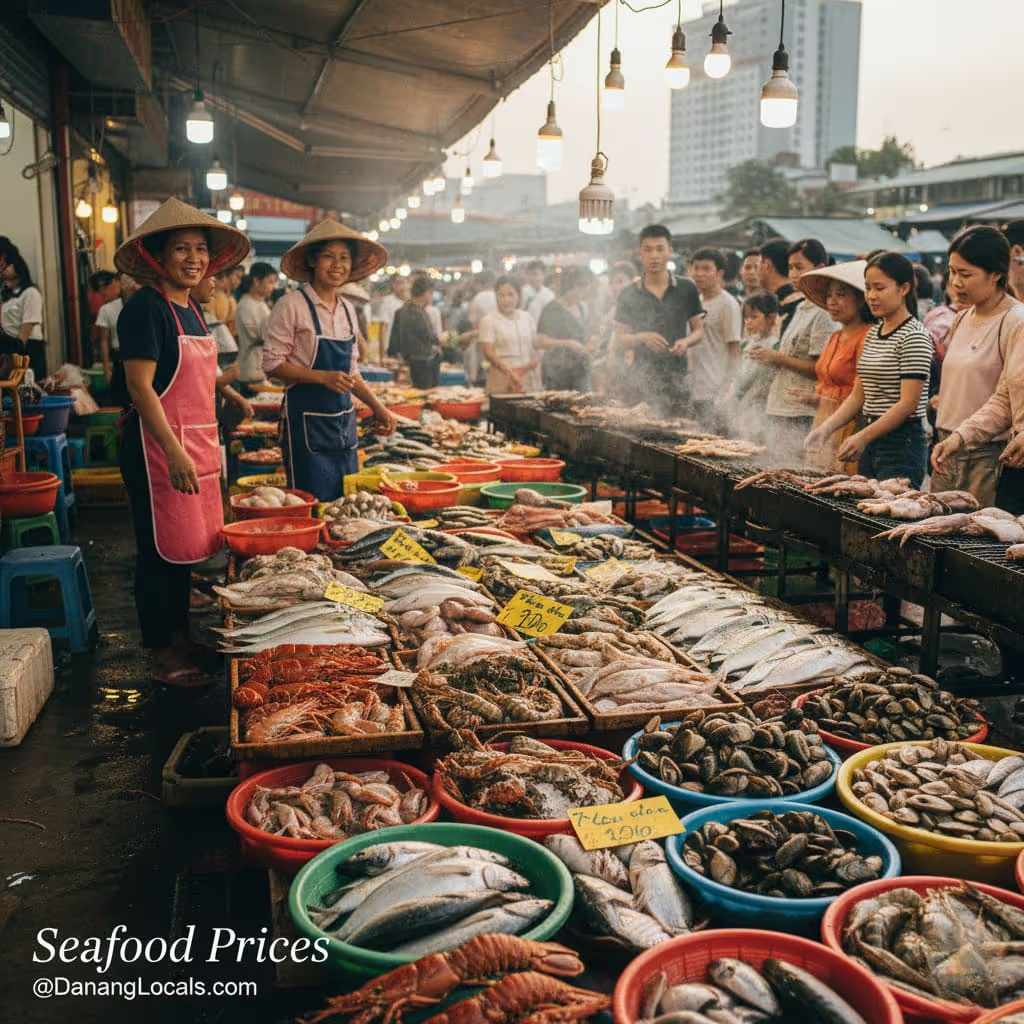
Yes, this is the most common complaint we hear from foodies. The scam works like this: You go to a seafood restaurant without a menu. You pick a crab or fish. They cook it. When the bill comes, the price is astronomical because they charged you per "plate" instead of per "kg," or the weight was exaggerated.
The Fix: Always ask to see the menu with prices listed. When you pick live seafood from the tank, watch them weigh it right there. Ask: "How much for this specific crab?".
Local Tip: Avoid places where taxi drivers insist on dropping you off (they often get a commission). Check our guide on Best seafood restaurants in Da Nang for honest spots like Be Man or Nam Danh.
How to Avoid Taxi and Grab Overcharging?
The days of rigged taxi meters are mostly gone, but "fixed price" offers are still a trap. At the airport or tourist sites, you might be approached by drivers offering a "cheap ride" without using the app. They might demand 500,000 VND for a trip that should cost 100,000 VND.
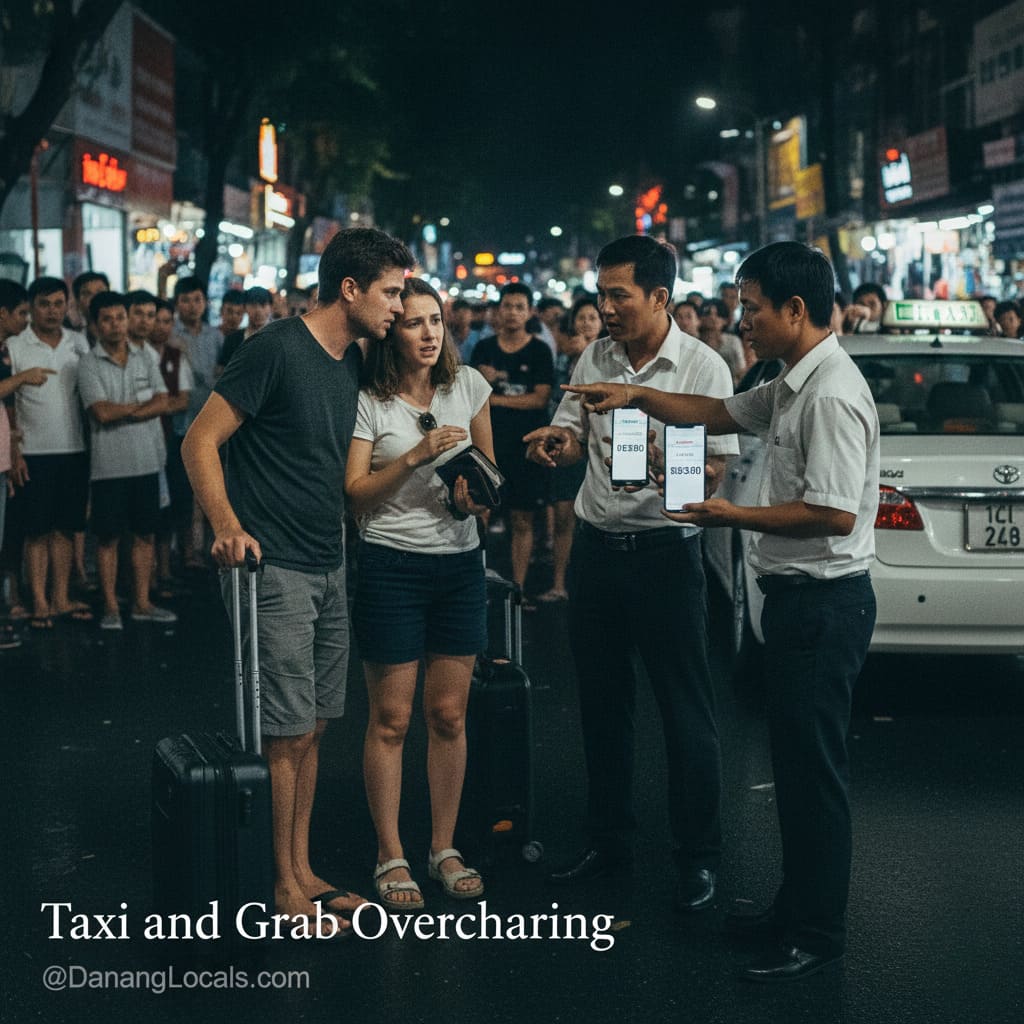
The Fix: Stick to technology. In 2026, Grab and Xanh SM (the cyan-colored electric taxis) are the kings of transport. The price is fixed on the app before you get in.
Airport Tip: Book your Grab before you exit the arrivals gate to avoid the solicitations.
How Safe is Traffic in Da Nang for Foreigners?
Traffic here is "Organized Chaos." It flows like water, not like a grid.
Compared to Hanoi or Ho Chi Minh City, Da Nang’s streets are wide, open, and much less congested. However, the lack of strict lane discipline can be terrifying for newcomers and affects the overall feeling of Safety in Da Nang.
Is It Safe to Rent and Drive a Motorbike?
Only if you are an experienced rider and have the correct paperwork. In 2026, police checkpoints are more common than ever. They specifically look for foreigners driving without an International Driving Permit (IDP) combined with a valid home-country motorcycle license.
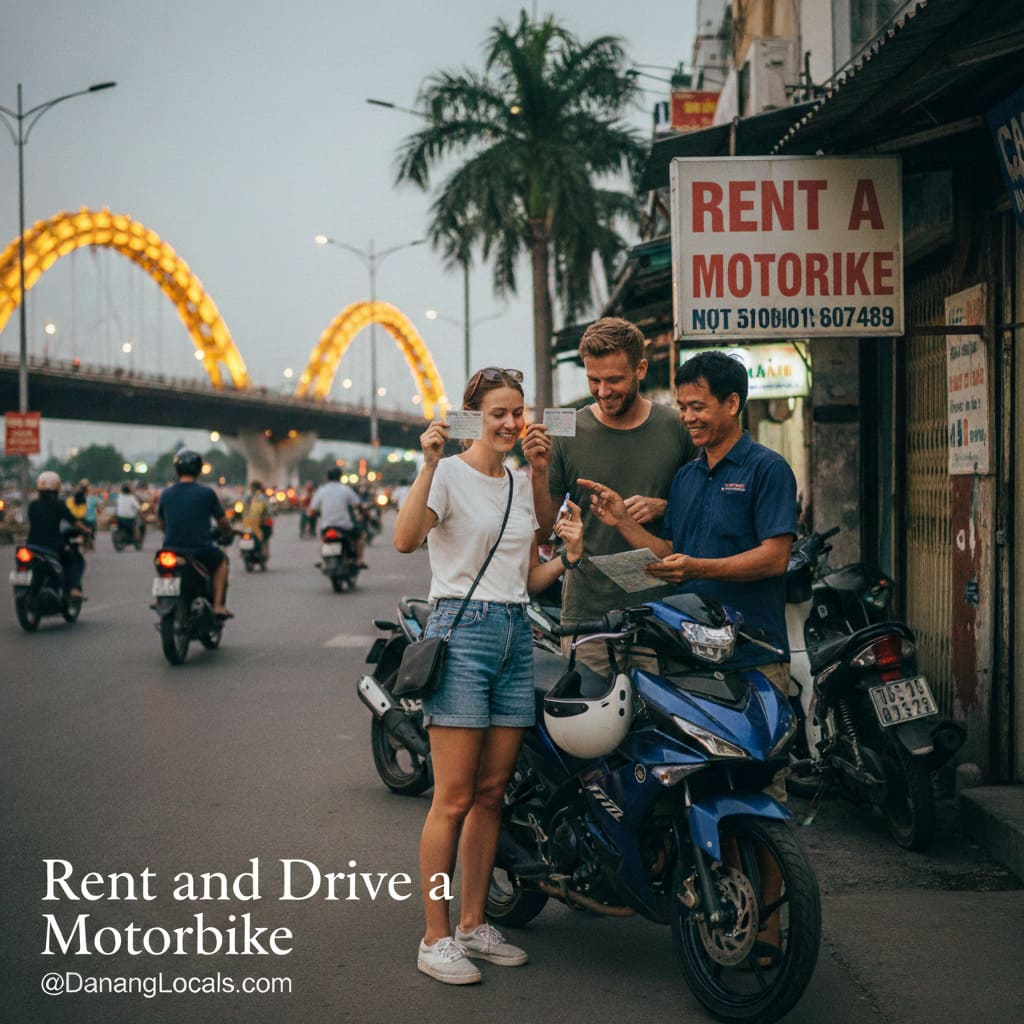
The Reality: If you have never ridden a scooter before, Da Nang is not the place to learn. One mistake on the Dragon Bridge or the Hai Van Pass can be fatal.
The Alternative: Rent a motorbike only if you are confident. Otherwise, GrabBike is cheap, fun, and safer.
How to Cross the Street Safely in Da Nang?
Forget waiting for the traffic to stop—it rarely will. You must use the "Sticky Rice" method.
The Method: Walk slowly and predictably. Imagine you are wading through a slow-moving river. Do not run. Do not stop suddenly.
Why it works: Drivers in Da Nang anticipate your movement. If you move at a steady pace, they will flow around you. If you panic and jump back, you cause an accident. Stick together with your group like a ball of sticky rice; a bigger object is easier to see.
Is Da Nang Safe for Solo Female Travelers?
Da Nang is statistically one of the safest destinations in Southeast Asia for women traveling alone.
Catcalling and aggressive harassment are not significant parts of the local culture here. You will generally feel respected and welcomed, which boosts the rating of Safety in Da Nang for solo adventurers.
Is It Safe to Walk Alone at Night?

Yes, especially along the main tourist hubs. Walking along the Han River (Bach Dang Street) or the My Khe Beach promenade (Vo Nguyen Giap Street) is safe even until midnight. These areas are well-lit and populated.
The Caution: Avoid walking alone late at night in unlit alleys or far-out sections of the beach where there are no streetlights. It’s just common sense.
Local Tip: If you take a Grab late at night, use the "Share My Ride" feature on the app to send your location to a friend, just for peace of mind.
What Health and Environmental Risks Should You Be Aware Of?
Sometimes nature is a bigger threat than people when considering Safety in Da Nang.
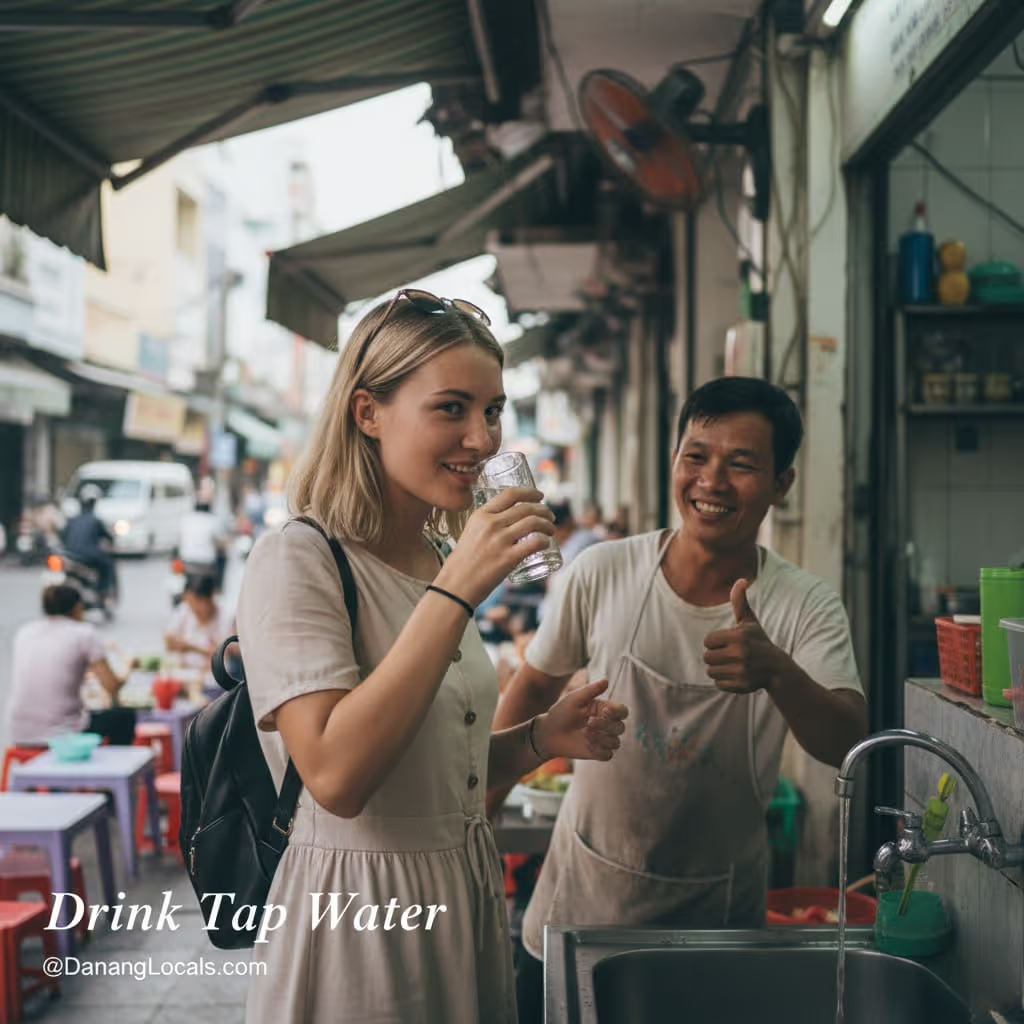
Can You Drink Tap Water in Da Nang?
No, absolutely not. The tap water is not potable. Drinking it can lead to severe stomach issues that will ruin your trip.
The Fix: Drink bottled water (La Vie, Dasani, Aquafina).
The Ice Question: "Is the ice safe?" Generally, yes. In 2026, almost all restaurants, street stalls, and cafes buy ice from industrial factories (tubular ice) which is filtered. If you see chipped block ice, maybe skip it, but tube ice is fine.
How to Spot and Avoid Rip Currents at My Khe Beach?
The ocean is beautiful but powerful. Rip currents are silent killers. A rip current is a channel of water flowing away from the shore. It can pull even Olympic swimmers out to sea.
How to Spot: Look for a gap in the waves where the water looks calmer or discolored (sandy/churning). That is the rip.
Safety Rule: Always swim between the Yellow and Red Flags. These mark the safe zones watched by lifeguards. If you see a Black Flag, stay out of the water.

When is the Storm/Typhoon Season in Da Nang?
October to December is the wet season. While Da Nang handles rain well, typhoons can occur.
The Impact: Flooding is less severe than in Hoi An, but heavy rains can cancel your plans for Ba Na Hills or boat trips.
Advice: Always check the forecast before booking a trip in late autumn. If a typhoon warning is issued, stay in your hotel and follow staff instructions.
How Does Da Nang Safety Compare to Other Cities?
We don't like to boast, but the difference is noticeable.
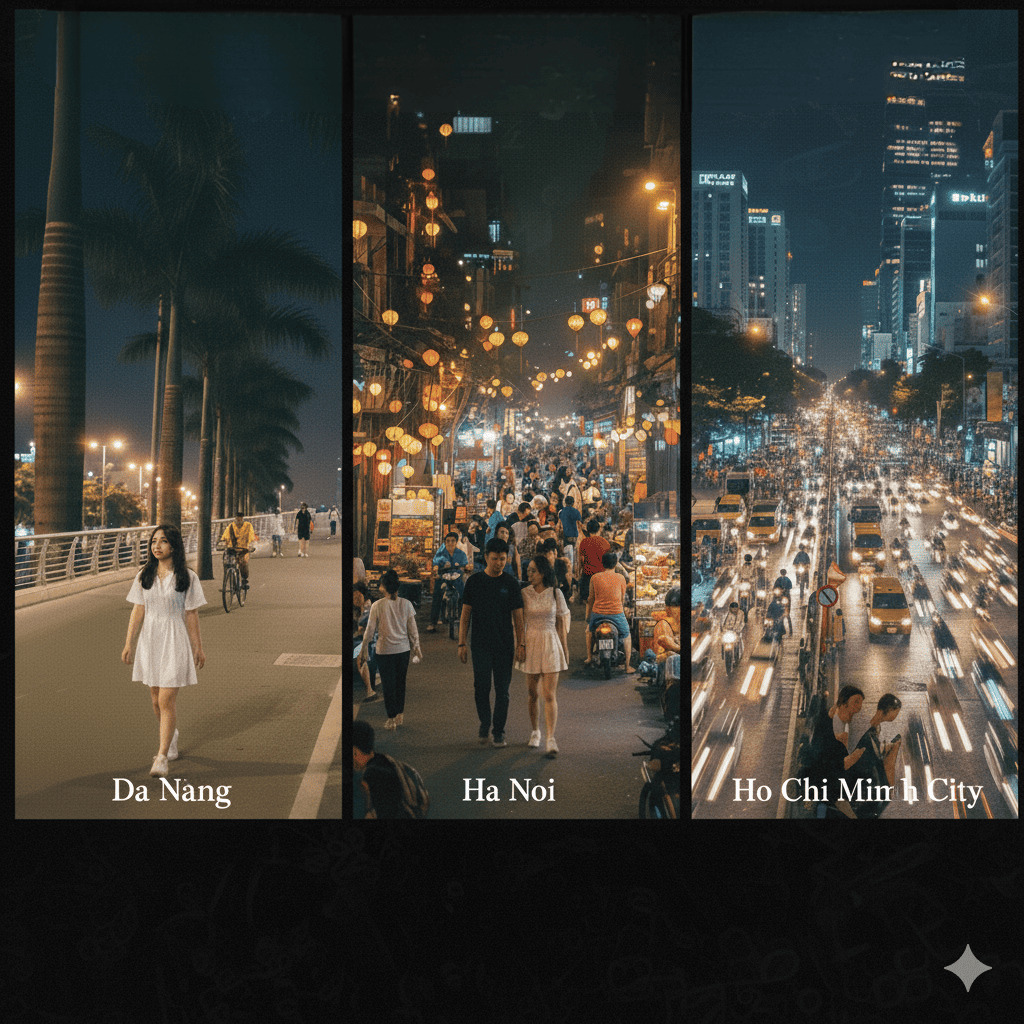
Da Nang vs. Ho Chi Minh City/Hanoi: Which is Safer?
Da Nang wins on "street calm."
Theft: In HCMC, drive-by phone snatching is a known risk. In Da Nang, while you should still be careful, this is extremely rare. You can walk with your phone in hand with much less anxiety.
Air Quality: Da Nang has significantly better air quality thanks to the ocean breeze and less industrial density compared to the smog of Hanoi.
Atmosphere: The "hustle" culture is less aggressive here. Sellers are less pushy, and drivers are less frantic.
What Are the Emergency Numbers and Hospitals in Da Nang?
Save these numbers, just in case.
If you have a medical emergency, do not rely on local public ambulances (they can be slow). Go directly to these international-standard hospitals:
Vinmec International Hospital: 30 Thang 4 Street. (High quality, expensive, English speaking).
Family Medical Practice: 96-98 Nguyen Van Linh. (Great for minor issues/GP visits).
Emergency Police: 113
Ambulance: 115
Fire: 114
Da Nang is a place where you can let your guard down and truly enjoy the moment. We hope this honest guide gives you the confidence to explore our city without fear. Be smart, respect the ocean, and use the apps, and you will have the trip of a lifetime.
Now that you know more about Safety in Da Nang, are you ready to plan the fun part? Check out our guide on the Da Nang 5 day itinerary to pick the perfect plan for your adventure! Stay safe, and we will see you on the beach!