

So you've decided to visit Da Nang – honestly, that might be one of the best travel decisions you'll make this year. As someone who has lived here for years, walked every alley, tasted street food at 2 AM, and watched countless sunrises over My Khe Beach, I can tell you this city has a way of surprising people. Planning your trip to Da Nang doesn't have to be complicated, but there are things only a local would know that can transform your vacation from "nice" to absolutely unforgettable.
Here's the thing most travel blogs won't tell you: Da Nang isn't just a beach destination or a pit stop between Hoi An and Hue. It's a living, breathing city where modern Vietnam meets ancient traditions, where you can surf in the morning and explore thousand-year-old temples by afternoon. The key to experiencing this magic lies in understanding when to come, where to stay, and how to move around like we do.
What makes Da Nang special for travelers in 2026? The city has evolved dramatically – new direct flights, better infrastructure, and a food scene that's finally getting the international recognition it deserves. But it still maintains that authentic Vietnamese charm that mass tourism hasn't touched yet. You'll find yourself bargaining at local markets, sharing bánh mì with fishermen, and discovering hidden cafes that aren't on any map.
In this guide, we at Da Nang Locals will walk you through everything you need to know: from picking the perfect month to visit based on your travel style, to budgeting realistically, choosing the right neighborhood, and crafting an itinerary that balances iconic sights with local secrets. Let's dive into the essential planning steps that will set your trip up for success.
When is the Best Time to Visit Da Nang?
The best time to visit Da Nang is from February to August, with March through May being the absolute sweet spot for beach weather and comfortable temperatures. However – and this is important – the "best" time really depends on what kind of experience you're after.
Early morning at My Khe Beach during dry season – this is what you're coming for
Let me break this down the way I'd explain it to a friend planning their first visit. Da Nang essentially has two seasons: dry (February to August) and wet (September to January). But here's where local knowledge makes a difference – those aren't strict boundaries, and each month has its own personality.
Dry Season (February - August): Peak Beach Time
February to April is what I call the "Goldilocks zone." The weather is warm but not scorching (averaging 24-28°C), humidity is manageable, and the beaches are pristine. This is when locals actually go swimming. The water is calm and clear – perfect for that Instagram shot at My Khe.
May to August brings hotter temperatures (30-35°C) but also the most reliable sunshine. If you're a sun-worshipper or planning water activities, this is your window. Fair warning though: August can get intense. I've seen tourists practically melting at Marble Mountains because they didn't bring enough water.
Local Insight from Da Nang Locals: If you're visiting Ba Na Hills between May and August, go early in the morning. The cable car opens at 7:30 AM – be there by 7:00. By noon, the hilltop gets crowded and the temperature difference between the mountain and city becomes extreme, which can cause headaches for some people.
Wet Season (September - January): Budget Travel & Fewer Crowds
Now, here's something interesting – the wet season isn't a write-off. September and October can be unpredictable with occasional typhoons, but November through January? That's when you'll find Da Nang at its most authentic. Prices drop by 30-40%, the streets are quieter, and you'll actually have restaurants to yourself.
The rain typically comes in short, heavy bursts rather than all-day drizzle. I've had some of my best meals during monsoon season – there's something magical about eating phở while rain drums on a tin roof.
| Month | Weather | Crowds | Best For |
| Feb-Apr | Warm, low humidity | Moderate | Beach, sightseeing |
| May-Aug | Hot, sunny | High | Water sports, Ba Na Hills |
| Sep-Oct | Rainy, possible storms | Low | Budget travelers (risky) |
| Nov-Jan | Cool, occasional rain | Low | Culture, food, photography |
For detailed weather information and what to pack each month, check out our complete guide onDa Nang Weather by Month. If you're specifically concerned about the rainy season, we've also written aboutDa Nang Rainy Season: A Local's Guide to Staying Dry.
How Much Does a Trip to Da Nang Cost?
A comfortable trip to Da Nang costs between $50-80 USD per day for mid-range travelers, though you can absolutely do it for $25-35 per day on a backpacker budget or splurge at $150+ daily for luxury experiences. The beauty of Da Nang is that it accommodates every wallet without compromising on quality.
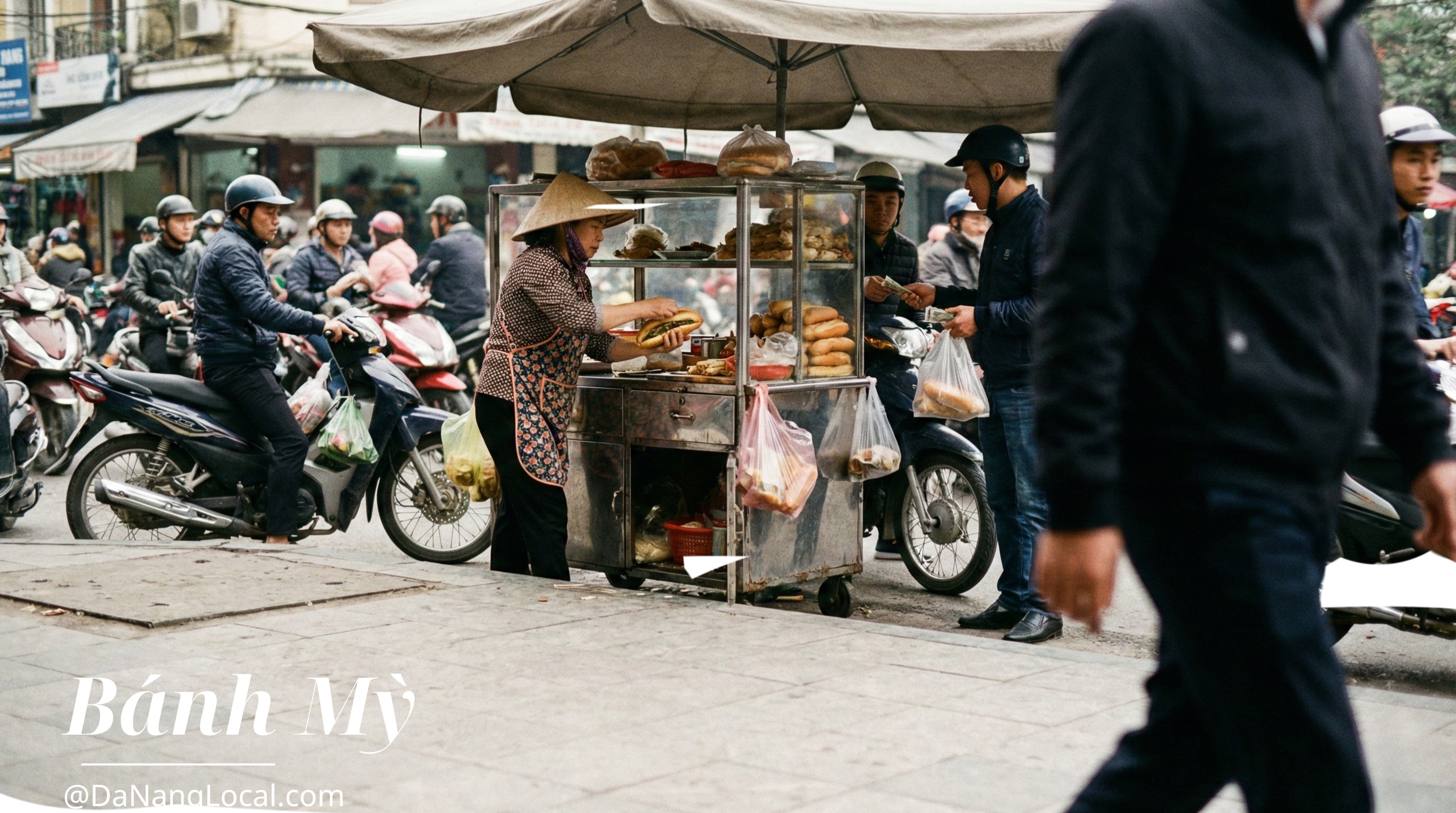
Let me be real with you: Da Nang is one of the most affordable quality destinations in Southeast Asia right now. But "affordable" means different things to different people, so here's a realistic breakdown based on my observations of how travelers actually spend here.
Budget Breakdown by Travel Style
Backpacker/Budget ($25-35 USD/day):
Accommodation: Hostel dorm or basic guesthouse ($8-15/night)
Food: Street food and local restaurants ($8-12/day)
Transport: Walking + occasional Grab bike ($2-5/day)
Activities: Free beaches, pagodas, markets ($0-5/day)
Mid-Range ($50-80 USD/day):
Accommodation: 3-star hotel with breakfast ($25-40/night)
Food: Mix of local spots and nicer restaurants ($15-25/day)
Transport: Grab car, occasional motorbike rental ($5-10/day)
Activities: Marble Mountains, museums, day trips ($10-20/day)
Luxury ($150+ USD/day):
Accommodation: Beachfront resort ($80-200+/night)
Food: Fine dining, resort restaurants ($40-60/day)
Transport: Private car, tours ($20-30/day)
Activities: Golf, spa, premium experiences ($30-50/day)
Local Insight from Da Nang Locals: The biggest mistake tourists make is eating at restaurants near the beach that have English menus displayed outside. Walk two blocks inland, and the same dish costs half the price and tastes twice as good. The area around Lê Duẩn Street has excellent local restaurants where you'll see Vietnamese families eating – that's your quality indicator.
Major Expenses to Budget For
Ba Na Hills Entry: Currently 900,000 VND for adults ($36 USD) – this is your biggest single expense but includes the cable car, all attractions, and shows. Worth every đồng in my opinion. For ticket purchasing tips, see ourBa Na Hills Tickets Guide.
Motorbike Rental: 100,000-150,000 VND/day ($4-6 USD). Essential for Hai Van Pass and Son Tra Peninsula. We cover safety tips and rental recommendations in ourRenting a Motorbike in Da Nang guide.
Airport Transfer: Grab from airport to city center runs 80,000-120,000 VND ($3-5 USD). Never pay more than 150,000 VND unless you're going to a resort far from the city.
For a complete cost analysis with daily budgets and money-saving strategies, read our detailedDa Nang Travel Budget article. And if you're really watching your spending, don't miss our15 Free Things to Do in Da Nang – some of the best experiences here cost absolutely nothing.
Where Should You Stay in Da Nang?
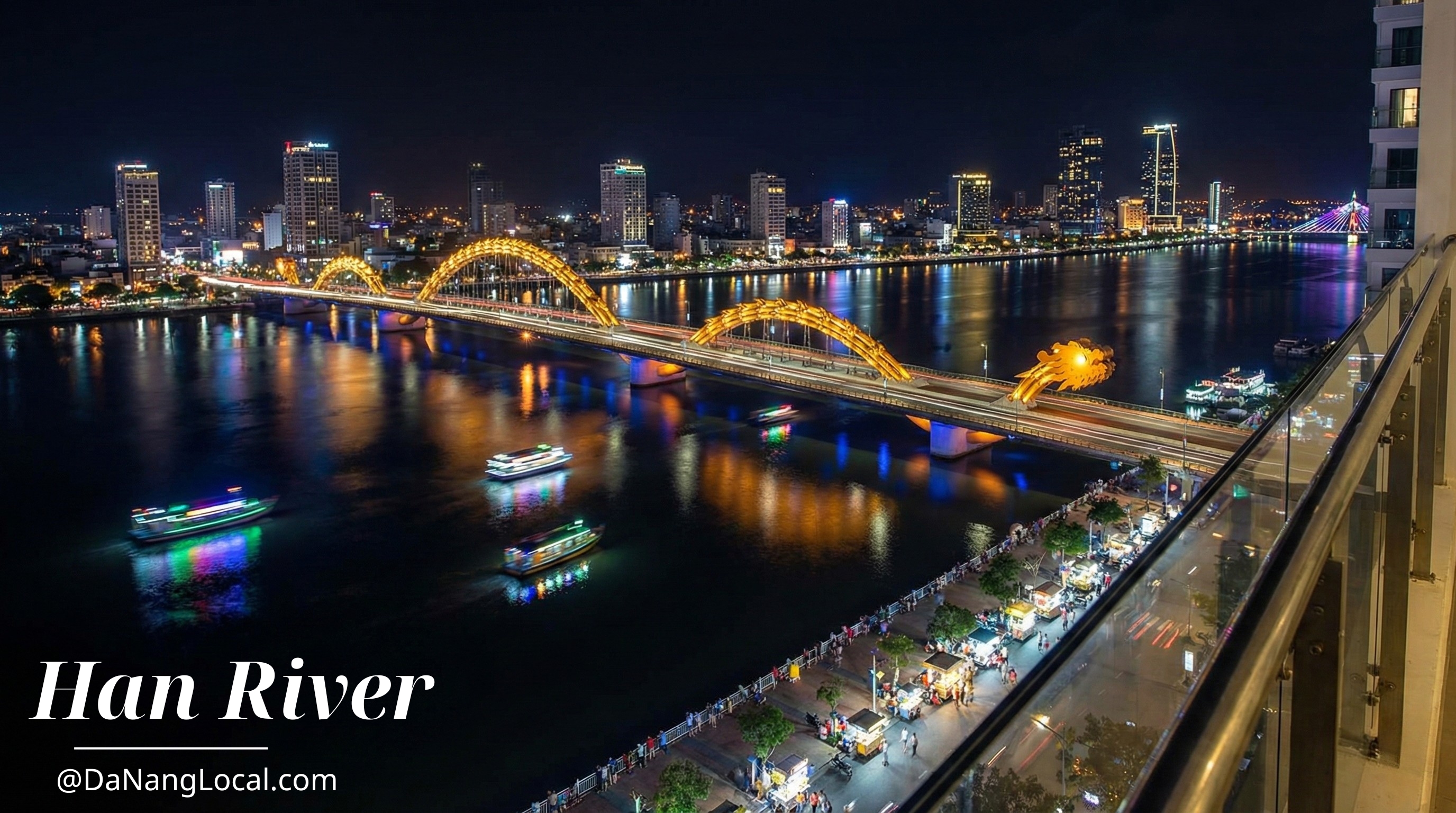
The best area to stay in Da Nang depends on your priorities: My Khe Beach for beach lovers and families, the Han River area for nightlife and local culture, or An Thuong (North of My Khe) for a mix of both with a younger, more international vibe.
Choosing where to stay is probably the most important decision you'll make for your trip. Get it right, and everything else falls into place. Get it wrong, and you'll spend half your vacation in taxis. After helping hundreds of visitors find their ideal spot, here's how I think about Da Nang's neighborhoods.
My Khe Beach Area: The Classic Choice
Best For: Beach lovers, families, first-time visitors, luxury travelers
My Khe is what most people picture when they think of Da Nang – that stunning 30-kilometer stretch of white sand that Forbes once named one of the most beautiful beaches on the planet. Staying here means you can roll out of bed and be swimming in five minutes.
Pros:
Direct beach access
Highest concentration of resorts and quality hotels
Safe, well-lit at night
Great seafood restaurants along the shore
Cons:
Slightly isolated from authentic local life
Tourist pricing at beachfront establishments
Can feel "resort-y" rather than Vietnamese
Local Insight from Da Nang Locals: If you stay at My Khe, don't miss the sunrise. I mean it – set an alarm for 5:15 AM at least once. The local fishermen pull in their nets around 5:30-6:00 AM, and you can often buy fresh catch directly from them. It's one of those experiences that makes you feel like you've discovered something real.
Han River / City Center: For Culture Seekers
Best For: Foodies, culture enthusiasts, nightlife lovers, business travelers
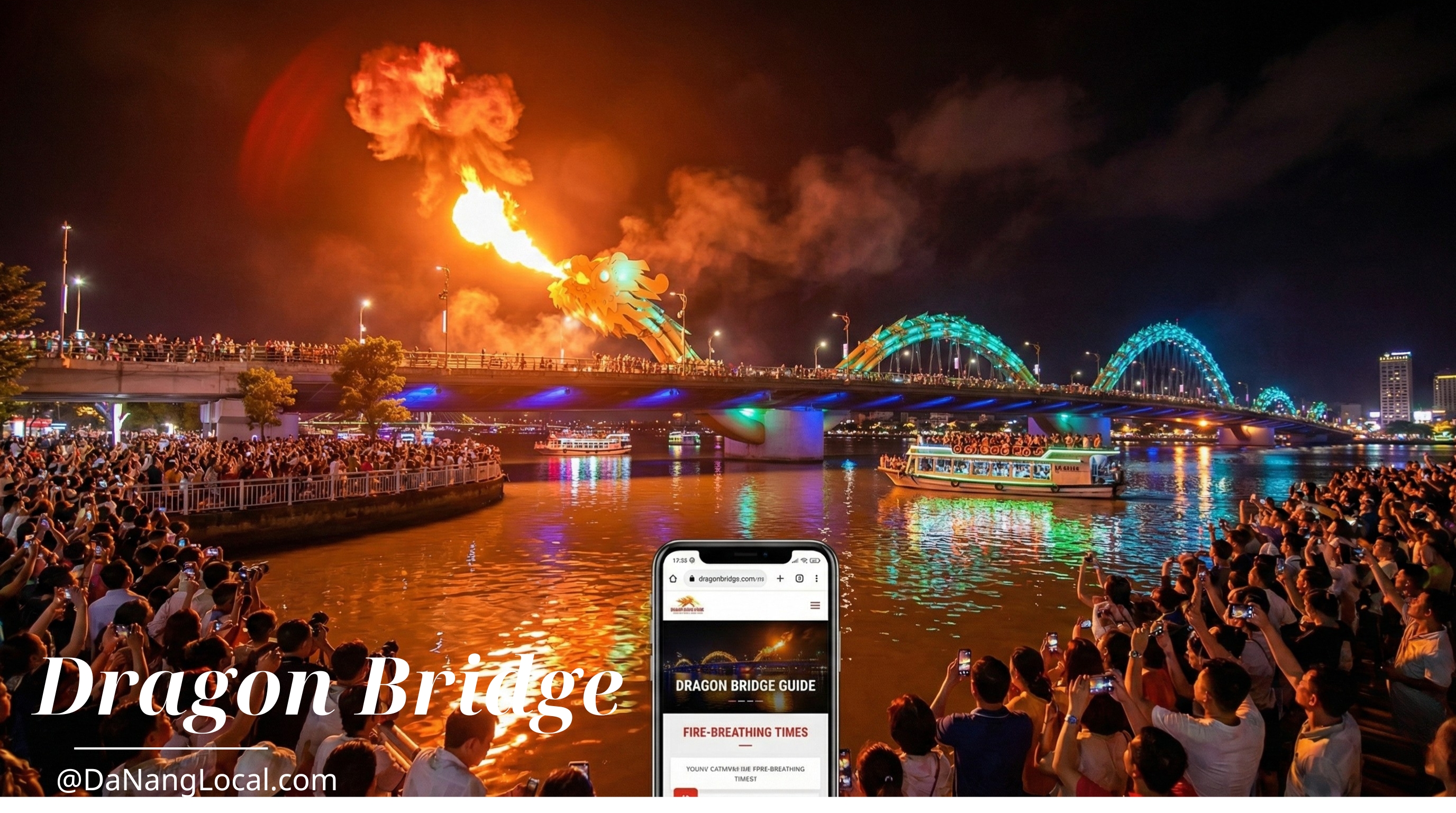
This is where Da Nang actually lives. The Han River district puts you within walking distance of Dragon Bridge (see our Dragon Bridge Guide for fire-breathing times), Han Market, and the city's best local restaurants.
Pros:
Authentic Vietnamese atmosphere
Best local food within walking distance
Easy access to all attractions
Lower accommodation prices for same quality
Cons:
10-15 minute ride to the beach
More chaotic traffic
Less English spoken
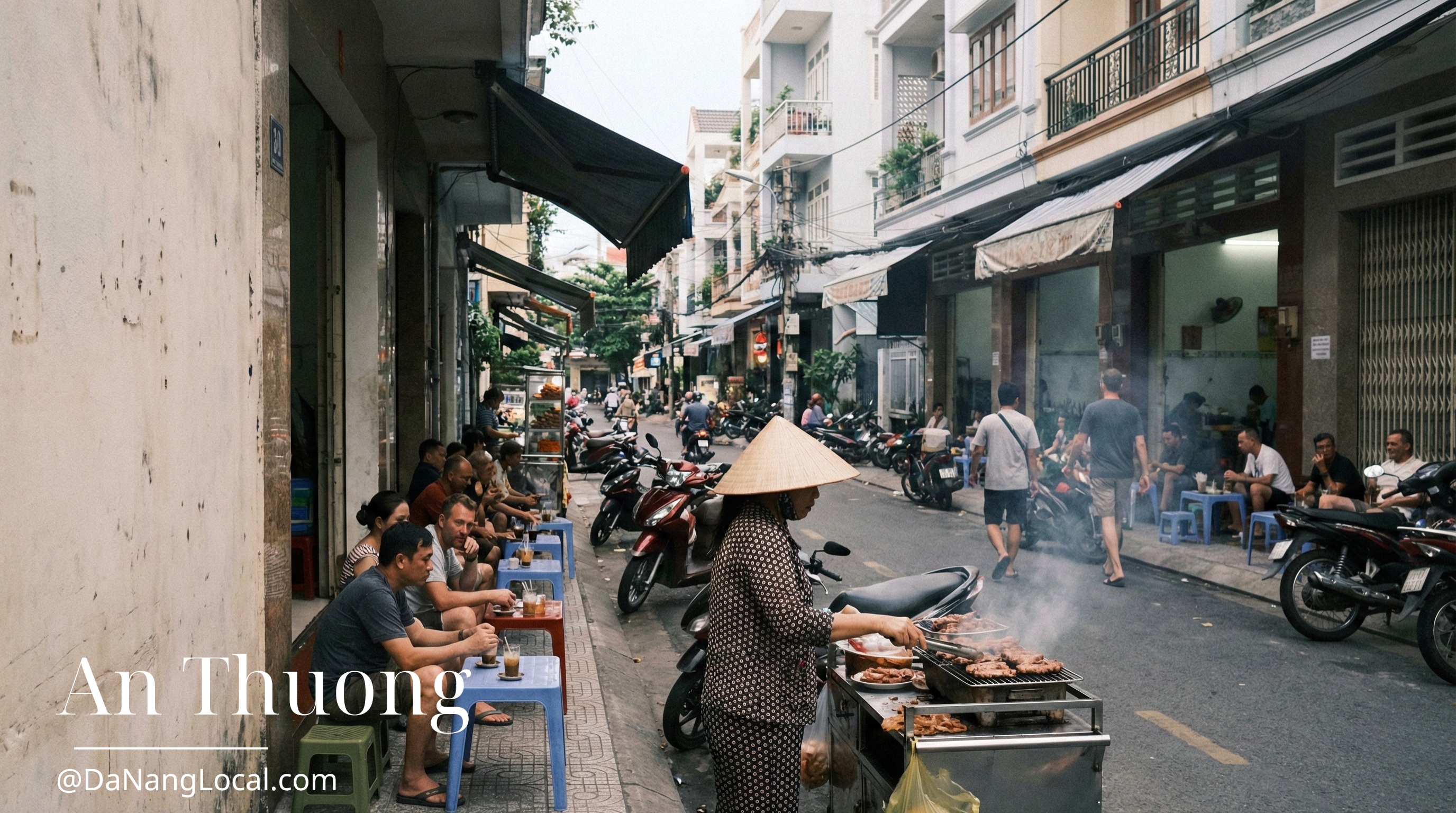
An Thuong (North My Khe): The Sweet Spot
Best For: Digital nomads, young travelers, those wanting both beach and nightlife
This neighborhood has exploded in popularity over the past few years, and honestly, I get it. It combines beach proximity with a thriving cafe culture, international restaurants, and some of Da Nang's best bars.
Pros:
Walking distance to beach (5-10 minutes)
Excellent cafe and restaurant scene
More affordable than beachfront
Young, international community
Cons:
Can feel touristy in peak season
Construction noise (area still developing)
Nightlife can be loud
For a deep dive into each neighborhood with specific hotel recommendations, check out our complete guide onWhere to Stay in Da Nang and our comparison articleMy Khe Beach vs Han River.
How Do You Get to Da Nang?
Getting to Da Nang is easier than ever in 2026, with Da Nang International Airport (DAD) receiving direct flights from most major Asian hubs, increasing connections from Europe and Australia, and convenient overland options from Hoi An and Hue.
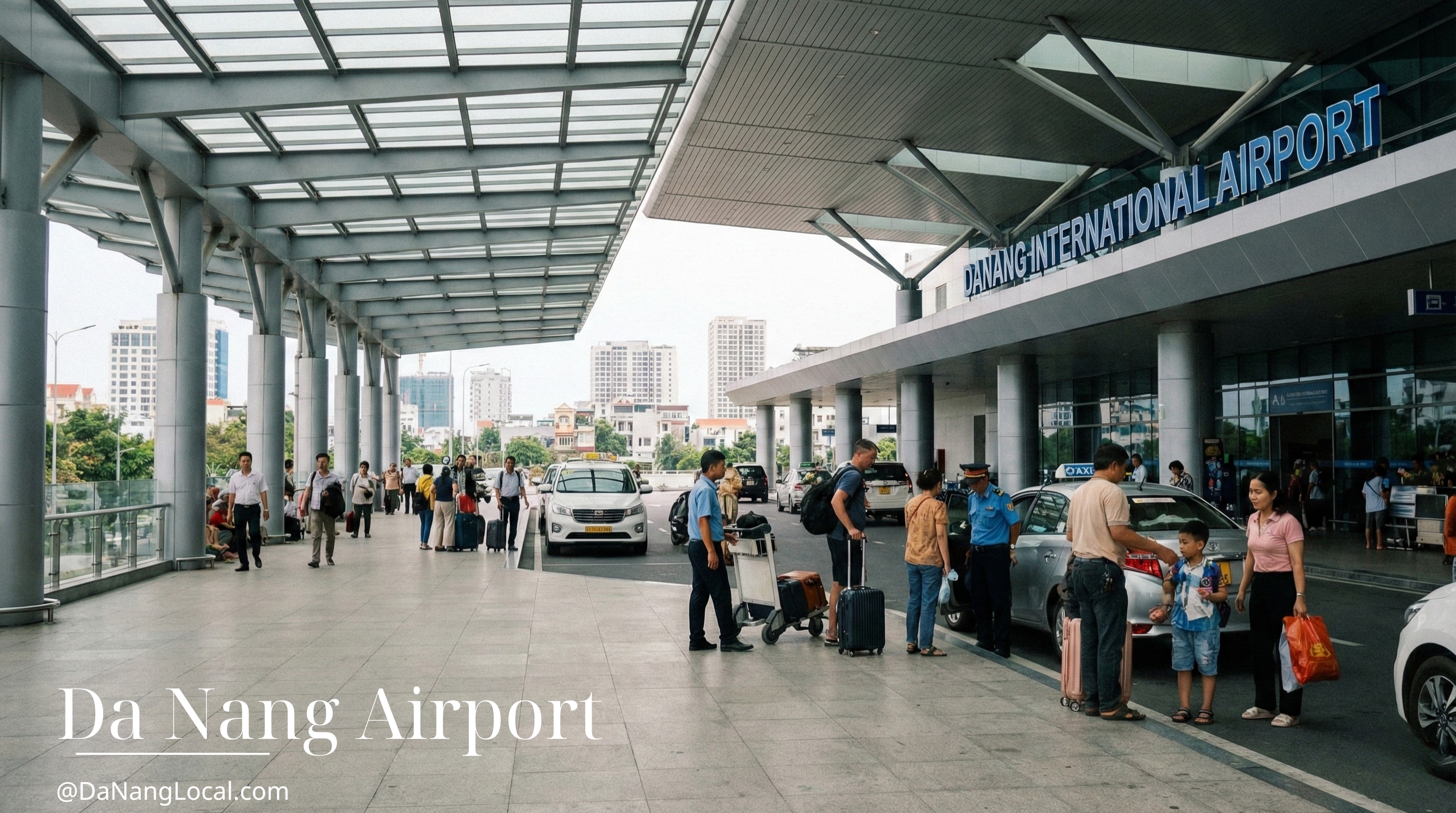
Da Nang International Airport – modern, efficient, and just 3km from the city center
Da Nang's airport is genuinely one of the most convenient I've experienced anywhere. It's small enough to navigate easily but modern enough to have everything you need. More importantly, it's practically in the city – most accommodations are just 10-20 minutes away.
Flying to Da Nang
Direct International Routes (as of 2026):
From Asia: Singapore, Bangkok, Kuala Lumpur, Seoul, Tokyo, Taipei, Hong Kong, most Chinese cities
From Australia: Sydney and Melbourne (seasonal)
From Europe: Increasing charter connections; most travelers connect through Singapore or Bangkok
Domestic Flights: Multiple daily flights from Ho Chi Minh City (1h 15m) and Hanoi (1h 20m) – often the most practical option for travelers doing a Vietnam circuit.
Local Insight from Da Nang Locals: Book domestic flights with Vietnam Airlines, VietJet, or Bamboo Airways at least 2-3 weeks ahead. Last-minute domestic flights can actually cost more than international ones. VietJet often has flash sales – follow their Facebook page for deals.
From the Airport to Your Hotel
The airport is so close to everything that transfers shouldn't stress you. Here are your options ranked by my preference:
Grab (Recommended): 80,000-120,000 VND to most locations. Download the app before arrival. Works perfectly. See ourGrab in Da Nang Guide for setup tips.
Hotel Pickup: Many hotels offer free or low-cost transfers. Always ask when booking.
Taxi: Fixed price taxis available. Expect 100,000-150,000 VND. Only use Mai Linh (green) or Vinasun (white) taxis.
Public Bus: Route 35 to the city center for 8,000 VND. Cheap but slow and not ideal with luggage.
We've written a complete comparison in ourDa Nang Airport to City article, and our comprehensiveDa Nang Airport Guide covers everything from arrival procedures to currency exchange.
Coming Overland from Hoi An or Hue
From Hoi An (30km): This is a quick 45-minute journey. Options include Grab, private car, motorbike, or even cycling if you're feeling adventurous. See ourDa Nang to Hoi An guide.
From Hue (100km): The famous Hai Van Pass route takes about 2.5-3 hours by car (through tunnel) or 4+ hours by motorbike over the pass. The pass drive is bucket-list worthy – Top Gear called it one of the best coastal roads in the world. OurHai Van Pass Guide has the complete route breakdown.
How to Get Around Da Nang
The best ways to get around Da Nang are Grab (for convenience), motorbike rental (for freedom), and walking (for beach areas). The city is surprisingly easy to navigate, but choosing the right transport for each situation makes a huge difference.
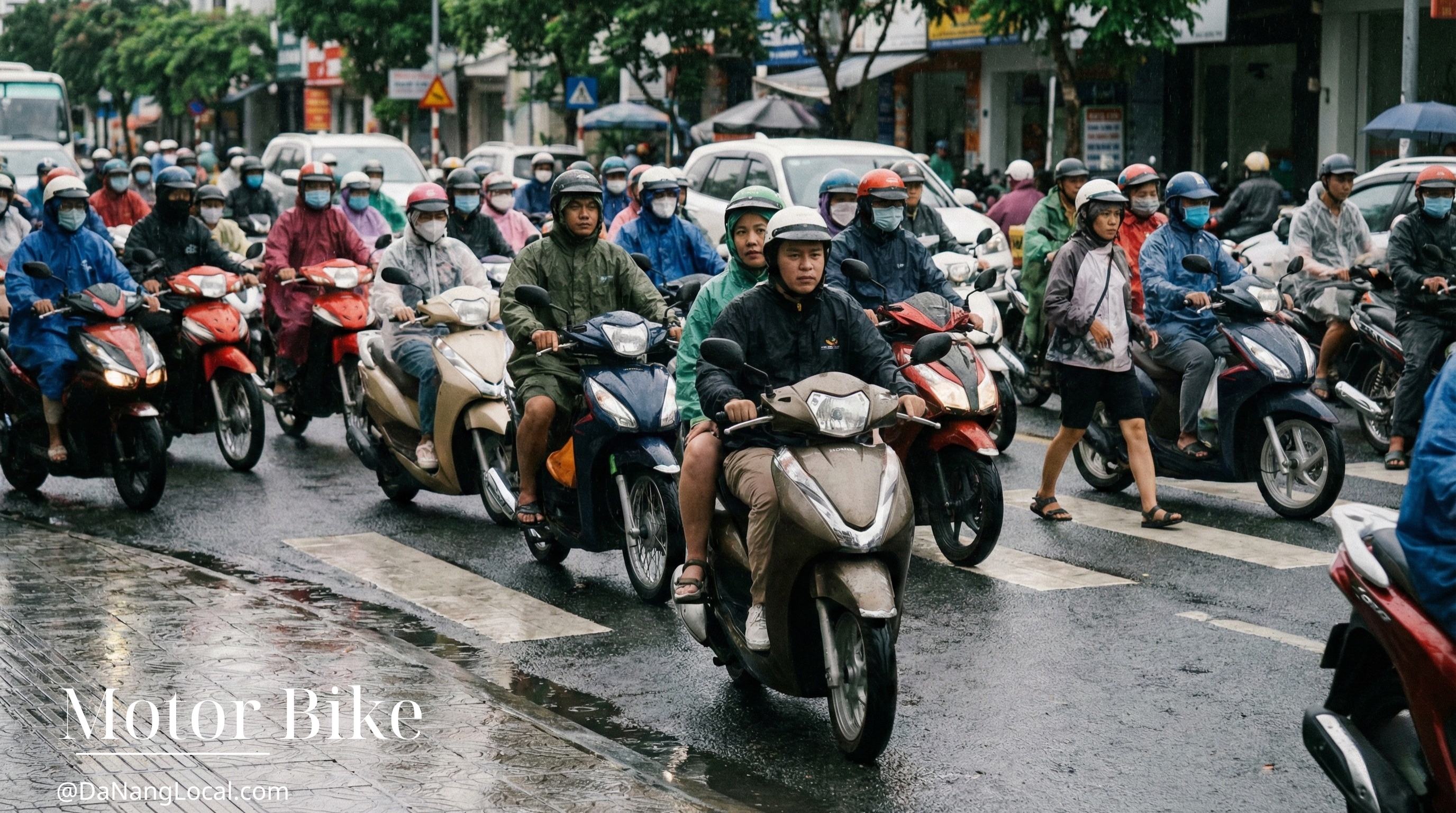
Let me save you some confusion: Da Nang doesn't have a metro, the bus system exists but is limited, and traditional taxis are being replaced by ride-hailing apps. Here's what actually works.
Grab: Your Daily Go-To
Grab is Vietnam's equivalent of Uber, and it's transformed how everyone – locals and tourists – moves around. You'll use this for probably 60% of your trips.
How it works:
Download the Grab app and register before arrival
Choose between GrabCar (air-conditioned car) or GrabBike (motorbike taxi)
Pay cash or link an international card
Price shown upfront – no haggling, no scams
Typical Grab prices:
My Khe to Dragon Bridge: 40,000-60,000 VND
City to Marble Mountains: 60,000-80,000 VND
Airport to An Thuong: 80,000-100,000 VND
Local Insight from Da Nang Locals: GrabBike is half the price of GrabCar and often faster in traffic. If it's not raining and you're traveling light, take the bike. Just hold your bag in front of you, not on your back – that's how bag snatchers target tourists.
Motorbike Rental: Freedom and Flexibility
Renting a motorbike opens up Da Nang in ways nothing else can. Son Tra Peninsula, Hai Van Pass, spontaneous coastal detours – these experiences require two wheels.
Rental costs: 100,000-150,000 VND per day for an automatic scooter, 200,000-250,000 VND for a semi-automatic like a Honda Wave.
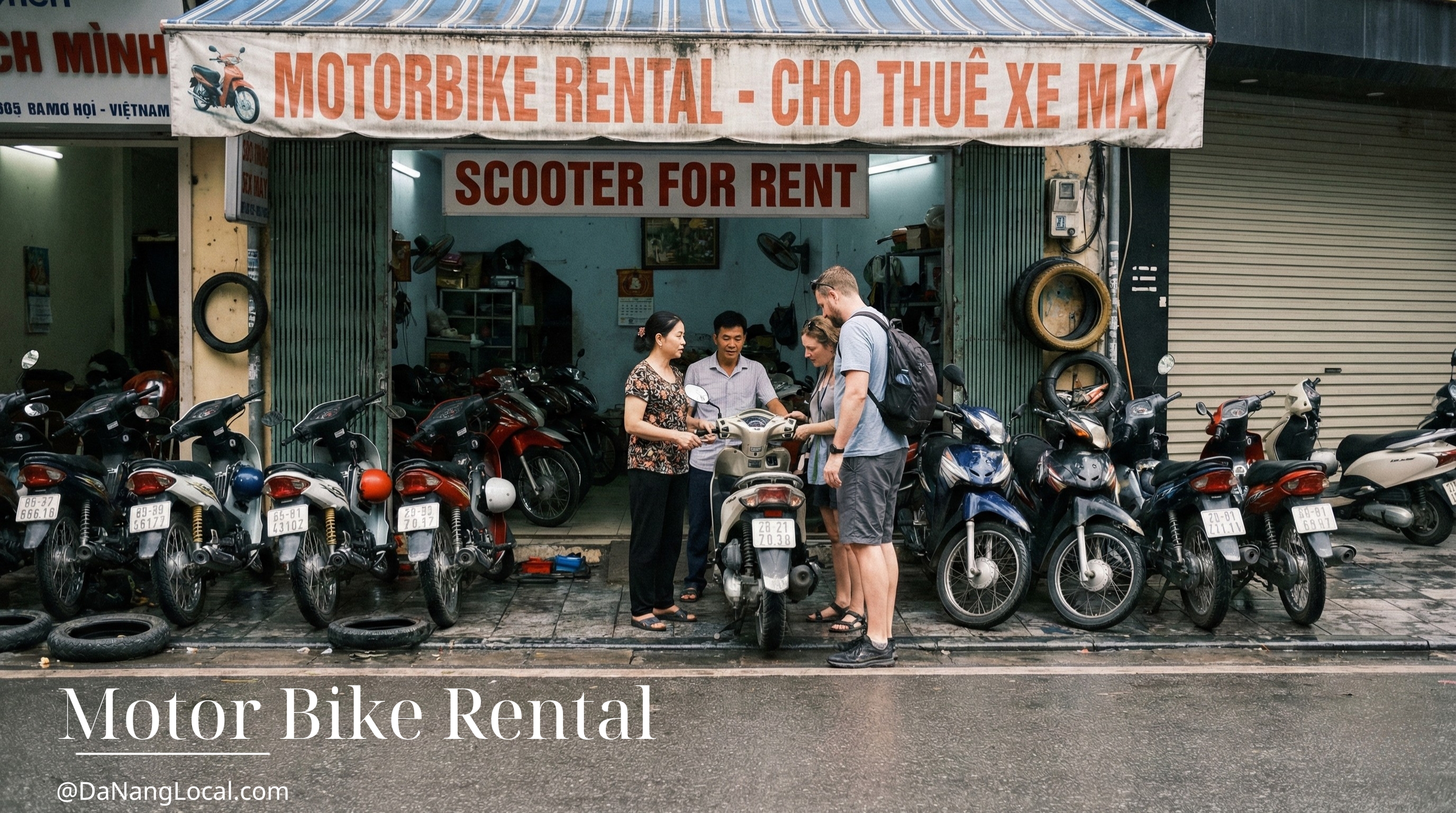
Should you rent? Be honest with yourself:
✅ You have motorcycle/scooter experience back home
✅ You're comfortable with chaotic traffic
✅ You want to explore outside the city
❌ You've never ridden before (this is not the place to learn)
❌ You panic easily in traffic
Safety is serious here. The roads can be chaotic, and medical evacuation insurance is a must. We cover all the safety considerations in ourRenting a Motorbike in Da Nang guide.
Other Options
Walking: Completely viable in specific areas. My Khe beach strip, An Thuong neighborhood, and the Han River district are all walkable. Just don't try to walk between these areas – distances are deceptive.
Bicycle: Some hotels provide free bikes. Great for the beach road early morning, but the heat and traffic make cycling difficult during midday.
Traditional Taxi: Use Mai Linh or Vinasun only. Always check that the meter is running. Honestly though, Grab is easier and usually cheaper.
For the complete breakdown of every transport option with pricing and routes, read ourGetting Around Da Nang andTransportation in Da Nang guides.
What Are the Must-See Attractions in Da Nang?
Da Nang's must-see attractions include My Khe Beach, the Marble Mountains, Son Tra Peninsula with Lady Buddha, Dragon Bridge, and day trips to Ba Na Hills – but the real magic often lies in experiences you won't find on typical lists.
The view from Marble Mountains – worth every step of the climb
Here's my approach to attractions: there are things you "have to see" because they're genuinely spectacular, and then there are tourist traps. Let me help you tell the difference and plan your time wisely.
The Iconic Must-Sees
Marble Mountains (Ngũ Hành Sơn) Five limestone hills filled with caves, pagodas, and Buddhist sanctuaries. The main mountain (Thủy Sơn) takes 1.5-2 hours to explore properly. The views from the top are spectacular, but it's the hidden caves and shrines inside that really make this special.
Entry: 40,000 VND + 15,000 VND for elevator (or climb 156 steps)
Best time: Early morning to avoid heat and crowds
Local tip: Bring a small flashlight for the caves – your phone light isn't enough
Our full guide:Marble Mountains Complete Guide
Son Tra Peninsula & Lady Buddha The Son Tra Peninsula is a protected nature reserve with incredible coastal roads, wild monkeys, and the 67-meter tall Lady Buddha statue at Linh Ung Pagoda. This is why you want a motorbike.
Entry: Free
Best time: Sunrise for photography, sunset for atmosphere
Local tip: The road to the summit (Ban Co Peak) is steep and narrow. Don't attempt it if you're not confident on two wheels.
Related guides:Son Tra Peninsula |Lady Buddha Da Nang
Dragon Bridge (Cầu Rồng) A 666-meter dragon-shaped bridge that breathes actual fire and water every Saturday and Sunday night at 9 PM. Yes, it's as cool as it sounds.
Best viewing: East side of the bridge, near the APEC sculpture
Local tip: Arrive by 8:30 PM to get a good spot. The surrounding area turns into a street party.
Full details:Dragon Bridge Guide
Day Trip Highlights
Ba Na Hills & Golden Bridge The famous Golden Bridge (with giant hands) and a French colonial village at 1,500 meters altitude. The cable car ride alone is worth the trip – it holds the world record for longest single cable span.
Entry: 900,000 VND (all-inclusive)
Time needed: Full day (6-8 hours)
Local tip: The fantasy park and shows are surprisingly entertaining. Don't rush through.
Complete guide:Ba Na Hills & Golden Bridge
Hoi An Ancient Town Just 30 minutes from Da Nang, this UNESCO World Heritage town is unmissable. The lantern-lit old town at night is one of Vietnam's most photographed scenes.
Our guide:Day Trip to Hoi An from Da Nang
Hue Imperial City The ancient capital of Vietnam with its imperial citadel and royal tombs. A longer day trip but culturally essential.
Our guide:Day Trip to Hue from Da Nang
Often Overlooked (But Excellent)
Museum of Cham Sculpture – World's largest collection of Cham artifacts. Budget 1.5-2 hours. (Full guide)
Han Market & Con Market – Real local markets where Vietnamese people actually shop. (Markets guide)
My Khe Beach at sunrise – Skip the afternoon crowds. The 5-6 AM beach is a different world. (My Khe Beach Guide)
For our complete recommendations, see21 Best Things to Do in Da Nang.
What Food Must You Try in Da Nang?
Da Nang's essential dishes include Mì Quảng (turmeric noodles), Bánh Xèo (crispy pancakes), fresh seafood, and Bánh Tráng Cuốn Thịt Heo (rice paper rolls with pork) – these are flavors you literally cannot replicate anywhere else in the world.
Mì Quảng – the dish that defines Da Nang. Notice the minimal broth – this isn't soup.
Food is where Da Nang really shines, and I'm not being hyperbolic. This city has a food culture that even other Vietnamese regions envy. The seafood is fresher, the street food more varied, and the Central Vietnamese flavors more complex than what you'll find elsewhere.
The "You Have to Try This" List
Mì Quảng This is Da Nang's signature dish and arguably the most important food you'll eat here. Wide turmeric-yellow noodles with just a splash of rich broth, topped with pork, shrimp, quail eggs, fresh herbs, and rice crackers. It's a texture symphony.
Where to eat it: OurBest Mì Quảng in Da Nang guide has 5 local favorites. My personal pick is Mì Quảng Bà Mua on Trần Cao Vân Street.
Bánh Xèo Crispy, turmeric-tinted rice flour pancakes stuffed with shrimp, pork, and bean sprouts. You wrap pieces in rice paper with herbs and dip in nước chấm (fish sauce). The Central Vietnamese version is smaller and crispier than what you'll find in Saigon.
Where to eat it: See ourBest Bánh Xèo in Da Nang guide. Bánh Xèo Bà Dưỡng is legendary.
Fresh Seafood Da Nang's seafood restaurants let you choose live fish, crab, and shellfish from tanks, then prepare them however you want. It's not cheap by Vietnamese standards (200,000-500,000 VND for a full meal), but it's a fraction of what you'd pay for this quality elsewhere.
Local Insight from Da Nang Locals: Don't go to seafood restaurants on the main tourist beach. The best spots are on Phạm Văn Đồng road near Son Tra or in the Mân Thái area where local fishermen bring their catch directly. Ask your hotel staff for their personal recommendation – they won't steer you wrong.
Top recommendations:Da Nang Seafood Restaurants
Street Food Essentials
Bánh Mì – Yes, you've had Vietnamese sandwiches before. No, they weren't like this.
Bánh Tráng Cuốn Thịt Heo – Rice paper rolls that you assemble yourself. Interactive and delicious.
Bún Chả Cá – Fish cake noodle soup, a Da Nang breakfast staple.
Chè – Vietnamese sweet desserts/drinks. Find them at any market.
For the complete street food experience:Da Nang Street Food Guide
Cafe Culture
Da Nang's cafe scene has exploded. Whether you want Vietnamese egg coffee, specialty pour-overs, or just a beautiful space to work, you're covered.
Our picks:7 Best Cafes in Da Nang
For a comprehensive food journey, start with our pillar guide:Da Nang Food: 21 Must-Try Dishes
How Long Should You Stay in Da Nang?
The ideal length for a Da Nang trip is 4-5 days, which gives you enough time to enjoy the beaches, explore the key attractions, take a day trip to Hoi An or Ba Na Hills, and still have breathing room for spontaneous discoveries.
This is why you need at least one extra day – sometimes Da Nang makes you want to stay longer
I get asked this question constantly, and my answer always starts with: "What's your travel style?" But let me give you some frameworks based on what we've seen work best.
Minimum Viable Trip: 3 Days
If you're tight on time, three full days in Da Nang works, but you'll be busy. Here's a realistic schedule:
Day 1: Arrive, settle in, My Khe Beach, Dragon Bridge (if weekend) Day 2: Ba Na Hills full day (leave early, return by evening) Day 3: Marble Mountains morning, Hoi An afternoon/evening
This covers the highlights but leaves no time for spontaneity – and some of Da Nang's best moments are unplanned.
Full itinerary:Da Nang 3-Day Itinerary
Sweet Spot: 4-5 Days
This is what I recommend for most travelers. You get everything from the 3-day trip plus:
A proper beach day (not just passing through)
Time to explore Son Tra Peninsula
A morning at local markets
Space to revisit places you loved
Buffer for weather flexibility
Sample 5-Day Flow:
Day 1: Arrival, beach, explore your neighborhood Day 2: Marble Mountains, Museum of Cham Sculpture, Han River evening Day 3: Ba Na Hills full day Day 4: Son Tra Peninsula (Lady Buddha, Ban Co Peak), seafood dinner Day 5: Hoi An day trip
Full itinerary:Da Nang 5-Day Itinerary
Extended Stay: 7+ Days
If you have a week or more, you can really sink into Da Nang's rhythm. Add:
Hai Van Pass motorbike adventure
Day trip to Hue
Multiple Hoi An visits (it deserves it)
Cooking classes, yoga retreats, or surf lessons
Just... relaxing
Local Insight from Da Nang Locals: If you have 7+ days and you're staying in the An Thuong area, consider doing a "Hoi An overnight" rather than two separate day trips. Stay one night in Hoi An's old town – the experience after the day-trippers leave is completely different.
For help building your perfect itinerary:The Perfect Da Nang Itinerary (For Any Trip Length)
Is Da Nang Safe for Tourists?
Yes, Da Nang is one of the safest cities in Vietnam and Southeast Asia for tourists. Violent crime against visitors is extremely rare, people are genuinely helpful, and the biggest concerns are petty theft and traffic safety – both of which are manageable with basic awareness.
Da Nang at night – well-lit, busy, and generally safe
I want to be honest and helpful here rather than just saying "it's totally safe!" because that doesn't help you prepare. Da Nang is safe, but there are things worth knowing.
What's Actually Safe
Walking around at night (even alone) in tourist and central areas
Using ATMs (though stick to bank ATMs, not standalone machines)
Drinking the ice in restaurants (it's filtered)
Taking Grab rides
Beach areas at reasonable hours
Public transport and local buses
What to Be Aware Of
Traffic: This is genuinely the biggest danger. Vietnamese traffic is chaotic by Western standards, and accidents do happen. Cross streets slowly and predictably – never dash. Drivers will flow around you, but they need to see what you're doing.
Petty Theft: Bag snatching happens, though it's less common here than in Ho Chi Minh City. Don't wear your bag on the street side when walking or riding. Keep valuables in hotel safes.
Scams: Relatively rare in Da Nang, but:
Always use Grab instead of negotiating with taxi drivers
Check restaurant bills carefully
Be wary of "helpful" strangers who suggest specific shops
Beach Safety: My Khe has strong currents, especially in the afternoon. Swim near the lifeguard stations, which are only staffed during certain hours. Red flags mean don't swim.
Local Insight from Da Nang Locals: The biggest "scam" tourists fall for isn't theft – it's overpaying. Research prices before you go. A bánh mì should cost 20,000-35,000 VND, not 70,000 VND. A Grab from the airport shouldn't exceed 120,000 VND. When you know the real prices, no one can take advantage of you.
For comprehensive safety information including emergency contacts and health tips:Is Da Nang Safe? A Local's Guide
Do You Need a Visa for Da Nang?
Most travelers visiting Da Nang can now enter Vietnam visa-free for up to 45 days or obtain an e-visa online for stays up to 90 days. The visa situation has improved dramatically since 2023, making trip planning much easier.
E-visa approval – the process has become remarkably straightforward
Vietnam's visa policies have become significantly more tourist-friendly. Here's the current situation for 2026:
Visa-Free Entry (45 Days)
Citizens of these countries can enter Vietnam without a visa for up to 45 days:
ASEAN countries: Unlimited stays (different rules apply) 45-day visa-free: UK, Germany, France, Italy, Spain, Japan, South Korea, and several others
If your country is on this list and you're staying under 45 days, you don't need to do anything except show up with a passport valid for 6+ months.
E-Visa (90 Days)
The e-visa system works beautifully and covers citizens of most countries worldwide. Here's the process:
Apply online at the official government portal (we'll link this in our guide)
Pay $25 USD
Receive approval via email within 3 business days
Print the approval letter
Present at immigration
The e-visa is single-entry, so if you plan to visit Cambodia/Laos and return to Vietnam, you'll need to plan for that.
For US, Australian, and Canadian Citizens
You'll need either:
E-visa (recommended for stays up to 90 days)
Visa on arrival with pre-approved letter (less convenient now that e-visa exists)
Full visa from a Vietnamese embassy (only if e-visa doesn't work for your situation)
Local Insight from Da Nang Locals: Apply for your e-visa at least 1 week before departure, even though processing is usually 3 days. We've seen rare delays, and you don't want visa stress. Also, only use the official government portal – there are many third-party sites that charge extra fees for no added value.
For the complete visa guide with step-by-step instructions and official links:Vietnam Visa for Da Nang: The 2024 E-Visa Guide
Essential Da Nang Travel Tips (From a Local)
After years of helping visitors navigate this city, I've collected the practical tips that actually make a difference. These aren't in any guidebook – they're from real experience.
Money Matters
Cash is still king: While cards are increasingly accepted at hotels and big restaurants, street food, markets, and smaller shops are cash-only.
Use Agribank or Vietcombank ATMs: They have the best exchange rates and lowest fees. Avoid airport exchange counters.
Carry small bills: Breaking 500,000 VND notes at small vendors is annoying for everyone. Get 50,000s and 100,000s.
Download Wise or Revolut: Better exchange rates than local currency exchange.
Communication
Get a local SIM card: Viettel or Vinaphone at the airport (about 150,000-200,000 VND for a tourist SIM with data). Much better than relying on WiFi.
Download essential apps before arrival: Grab, Google Maps (with offline maps downloaded), Google Translate (with Vietnamese downloaded for offline)
Cultural Navigation
Learn basic Vietnamese phrases: "Xin chào" (hello), "Cảm ơn" (thank you), and numbers 1-10 go a long way. See ourBasic Vietnamese Phrases Guide.
Remove shoes: When entering homes, some shops, and temples.
Temple etiquette: Cover shoulders and knees, never point feet at Buddha statues, be quiet and respectful.
Full cultural guide:Da Nang Etiquette: 10 Do's and Don'ts
Timing Tips
Everything opens early: Markets are busiest at 6-7 AM. Temples are peaceful at sunrise.
Avoid 11 AM - 2 PM: The heat is intense. Do indoor activities or beach time during these hours.
Weekend Dragon Bridge: Saturday and Sunday at 9 PM for fire/water show. Friday nights are quieter if you just want to see the bridge.
Health and Comfort
Stay hydrated: This sounds obvious until you're climbing Marble Mountains and realize you underestimated how much water you need.
Sunscreen: Bring from home. Quality sunscreen in Vietnam is expensive and often fake.
Motion sickness: If you're prone to it, bring medication. The road to Ba Na Hills is winding.
Local Insight from Da Nang Locals: The absolute best tip I can give you? Stay flexible. Some of the best experiences in Da Nang come from saying yes to unexpected invitations – the family who invites you to share their table, the motorbike driver who suggests a detour, the random festival that's happening tonight. Build buffer time into your plans for these moments.
Frequently Asked Questions About Planning a Trip to Da Nang
What is the cheapest month to visit Da Nang?
The cheapest months to visit Da Nang are October through December, when you can find hotel rates 30-50% lower than peak season. This is technically rainy season, but don't let that deter you entirely. November and December often have long stretches of pleasant weather between brief rain showers, and the reduced crowds mean better deals on everything from accommodation to tours. The trade-off is that some beach days may be affected by weather, but if you're more interested in culture, food, and sightseeing than swimming, this is actually ideal timing.
Is 4 days enough for Da Nang?
Yes, 4 days is enough to experience Da Nang's highlights comfortably, including My Khe Beach, Marble Mountains, one day trip to Ba Na Hills or Hoi An, and exploring the city's food scene. However, you won't have time for both Ba Na Hills and a proper Hoi An experience in 4 days unless you rush. If you want both day trips plus beach time and spontaneous exploration, consider extending to 5-6 days. We've found that travelers who stay only 3 days often wish they had more time, while those with 4-5 days feel satisfied with their experience.
Is Da Nang cheaper than Bali or Thailand?
Da Nang is generally 20-40% cheaper than Bali and comparable to Thailand's less touristy areas, though more expensive than super-budget Thai destinations like Chiang Mai. Where Da Nang really excels in value is food quality per dollar – a memorable seafood dinner costs $15-25 here versus $40+ for similar quality in Bali. Accommodation pricing is competitive across all levels, and domestic transport costs are very low. The main expense in Da Nang that matches or exceeds Southeast Asian averages is Ba Na Hills tickets at around $36.
What should I pack for Da Nang?
Pack light, breathable clothing (cotton or moisture-wicking fabrics), comfortable walking shoes, sandals for the beach, a light rain jacket or compact umbrella, sunscreen, sunglasses, a hat, and one modest outfit for temple visits covering shoulders and knees. If visiting October-January, bring a light sweater for cooler evenings. For Ba Na Hills visits from May-September, pack a light jacket regardless – it's significantly cooler at altitude. Don't forget reef-safe sunscreen if you plan to swim, and bring any prescription medications from home.
Can I drink tap water in Da Nang?
No, don't drink tap water in Da Nang – but don't worry, bottled water is everywhere and extremely cheap (5,000-10,000 VND for 1.5 liters). Ice in restaurants and cafes is safe; it's made from filtered water at commercial facilities. Hotels typically provide complimentary bottled water daily. Many travelers also use a portable water filter bottle like LifeStraw for convenience and environmental reasons. Brushing teeth with tap water is generally fine.
Do I need travel insurance for Da Nang?
We strongly recommend travel insurance for any Da Nang trip, particularly coverage that includes motorbike accidents if you plan to rent one. Medical care in Da Nang is adequate for minor issues but serious conditions require evacuation to Bangkok or Singapore, which is expensive without insurance. Coverage should include: emergency medical expenses (minimum $100,000), medical evacuation, trip cancellation, and baggage protection. If you're renting a motorbike, verify your policy covers motorcycle use – many budget policies exclude it.
Is Da Nang good for solo travelers?
Da Nang is excellent for solo travelers thanks to its safety, easy navigation, affordable costs, and welcoming atmosphere. The An Thuong area has particularly good hostel options and cafes where solo travelers naturally meet. Solo women travelers consistently report feeling safe walking around at night in main areas. The main challenge for solo travelers is that some activities (like Hai Van Pass by motorbike) are more enjoyable with company. Many hostels organize group tours that help connect solo visitors.
What is the best area in Da Nang for families?
For families with children, My Khe Beach area is the best choice due to its safe swimming conditions (with lifeguards), proximity to resort pools and kid-friendly restaurants, and easy access to attractions. Specifically, the area around Pullman, Furama, or Premier Village resorts offers an almost self-contained family-friendly environment. The beach has gentle waves in morning hours, and several beachfront restaurants have high chairs and children's menus. Ba Na Hills is also extremely family-friendly with its fantasy park specifically designed for children.
How do I avoid tourist traps in Da Nang?
The best way to avoid tourist traps is to venture beyond the immediate beachfront and tourist centers. Walk 2-3 blocks inland from My Khe Beach to find authentic restaurants with Vietnamese prices. Use Grab instead of negotiating with taxi drivers. Research typical prices before shopping (coffee should cost 25,000-40,000 VND, a bánh mì around 25,000-35,000 VND). Be skeptical of "special deals" offered on the street. Most importantly, eat where Vietnamese families are eating – crowds of locals are your quality indicator.
What is the Wi-Fi situation in Da Nang?
Wi-Fi is excellent throughout Da Nang, with free connections available at virtually all hotels, most restaurants and cafes, and even some public areas. Speeds are generally reliable enough for video calls and working remotely. However, for consistent, reliable connectivity, we recommend getting a local SIM card with data (about 150,000-200,000 VND for a tourist package with 15-30GB). Viettel and Vinaphone have the best coverage. If you're a digital nomad, the cafes in An Thuong have become unofficial co-working spaces with excellent, fast Wi-Fi.
Is there Uber or Lyft in Da Nang?
Uber exited Vietnam in 2018, and Lyft doesn't operate in Southeast Asia. The local equivalent is Grab, which works excellently throughout Da Nang and Vietnam. Download the Grab app before arrival and register with your phone number. You can pay by cash (easiest) or link an international credit/debit card. Grab offers both car and motorbike taxi options. In some cases, you might also see Gojek or Be (other ride-hailing apps), but Grab is by far the most widely used and reliable in Da Nang.
When should I book my Da Nang trip?
For the best combination of availability and pricing, book your Da Nang trip 2-3 months in advance for peak season (February-August) or 3-4 weeks ahead for low season. Flight prices tend to rise significantly within 3 weeks of departure. Hotels during peak season and holidays (Tet/Vietnamese New Year, summer months, Christmas-New Year) should be booked early as quality options fill up. If you're traveling during the international fireworks festival (usually May-July), book 3-4 months ahead as the entire city's accommodation gets stretched.
Can you see Da Nang in one day?
You can see Da Nang's highlights in one day if you're just passing through, but it would be rushed and you'd miss the essence of the city. A realistic one-day itinerary might include: morning at My Khe Beach, late morning at Marble Mountains, lunch in the Han River area, afternoon at the Museum of Cham Sculpture, and evening watching Dragon Bridge. However, you'd skip Ba Na Hills, Hoi An, Son Tra Peninsula, and proper food exploration. If you truly only have one day, make it count by focusing on 2-3 experiences rather than racing through everything.
Is English widely spoken in Da Nang?
English is spoken at hotels, tourist restaurants, and major attractions, but less commonly in local restaurants, markets, and with taxi drivers. Younger Vietnamese people generally speak more English than older generations. You can definitely navigate Da Nang with only English, but learning basic Vietnamese phrases creates better connections and shows respect. Google Translate works well in a pinch – download the Vietnamese language pack for offline use. For restaurants without English menus, photos in Google Maps reviews are your friend.
What's the best way to experience Da Nang like a local?
To experience Da Nang like a local: wake early and visit a wet market (Cồn Market or Hàn Market) around 6-7 AM; eat breakfast at a phở or bánh mì stall packed with Vietnamese workers; explore neighborhoods by motorbike during the golden hours of morning and late afternoon; take an afternoon nap like everyone else does; eat seafood at restaurants in local areas, not tourist beaches; drink cà phê sữa đá (iced coffee) and sit people-watching for an hour; and stay out late on weekend nights when families socialize at beach parks. The rhythm of Da Nang life is different from tourist schedules – embrace it.
Your Da Nang Adventure Starts Here
You've made it through this guide, which means you're already more prepared than 90% of visitors who arrive in Da Nang. You understand the weather patterns, you know where to stay, you have a realistic budget, and most importantly, you have the local insights that will help you experience this city the way it deserves to be experienced.
Da Nang isn't just a destination – it's a feeling. It's the mist on Ba Na Hills at sunrise. It's the first bite of perfectly crispy bánh xèo. It's the moment you crest Hai Van Pass and see the coastline stretching endlessly below. It's the surprise of discovering that Vietnamese hospitality is even warmer than you expected.
We at Da Nang Locals are here to help make your trip exceptional. If you have questions that this guide didn't answer, or if you want personalized recommendations for your specific travel dates and interests, don't hesitate to reach out.
Need more help planning? Message Da Nang Locals on our website or social channels. We respond to every message and genuinely enjoy helping fellow travelers discover why we love living here.
Start exploring our detailed guides:
Chúc bạn có một chuyến đi tuyệt vời! (Wishing you an amazing trip!)
This guide was written by the Da Nang Locals team based on years of living in and exploring Da Nang. All recommendations are from personal experience unless otherwise noted. Last updated: January 2026.